
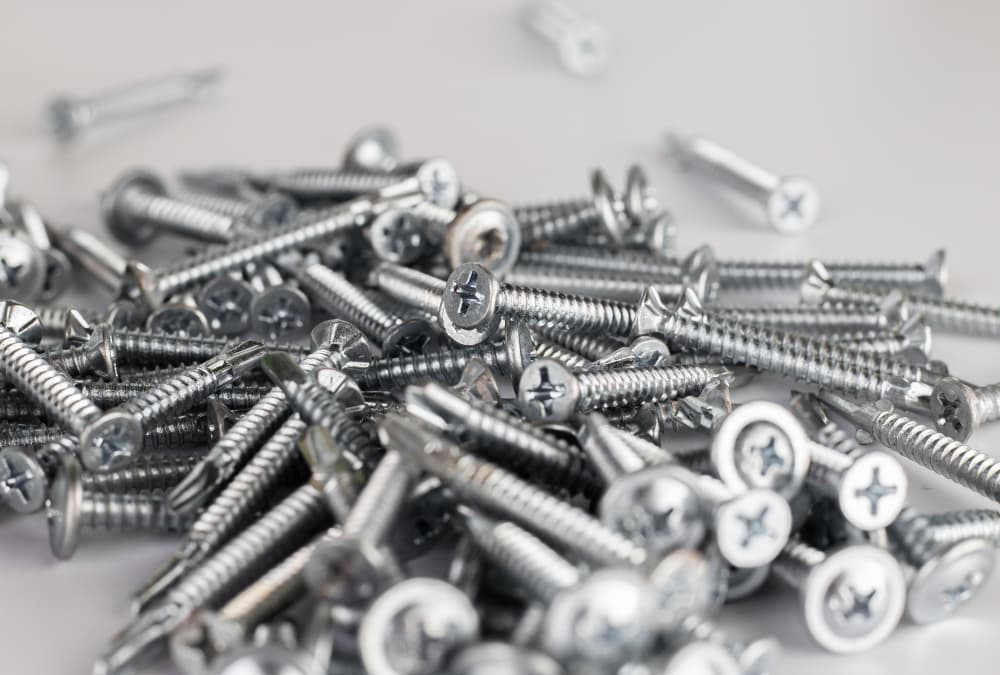
When it comes to fixings that combine strength, corrosion resistance and durability, stainless steel screws are a top choice for professionals and DIYers alike. They’re reliable in outdoor environments, marine settings, and anywhere that needs a rust-free finish. And as with any useful asset, getting the best results with stainless steel screws still comes down in large part to how you use them. Whether you’re working on decking, cladding, joinery or metalwork, a few smart practices can make all the difference.
With more than Here are six top tips to help you get the most out of stainless steel screws.
Pick the right grade for the job
The two most commonly used grades for screws are A2 (304) and A4 (316). A2 is suitable for general outdoor use, such as garden furniture, fencing and timber construction. However, A4 is often the better option in harsh or salt-rich environments like coastal areas or marine projects. This is because it contains molybdenum, which offers increased resistance to pitting and corrosion caused by salty air or chemical exposure. Picking the correct grade at the outset will increase the screw’s service life and reduce the risk of costly structural failures later on. It also ensures that the fixings won’t compromise the appearance of your finished work.
Store them in a dry, covered space
While they’re corrosion-resistant, stainless steel screws can still suffer surface staining or damage if they’re ever stored improperly. Always keep them in a dry, well-ventilated area, preferably in their original packaging or a sealed container. Crucially, avoid leaving them exposed to the elements, especially on building sites or in damp workshops. If your screws are left in contact with moisture or other metals for long periods, that can lead to contamination or tea staining, particularly on the surface. Stainless steel can also be affected by airborne contaminants like iron filings or grinding dust, which can settle on the surface and cause rust spots over time. It all goes some way to illustrating why good storage is the best way to keep your fixings in top condition!
Use the correct driver bit every time
It’s a simple but often overlooked step: using the correct bit for your screw head. Stainless steel screws tend to be softer than standard carbon steel, which means they’re more prone to stripping if you end up using the wrong driver. Whether it’s a Phillips, Pozi, Torx or hex head, you’ll need to make sure the bit matches exactly and is in good condition. A worn or incorrect bit can slip during driving, which can damage both the screw and your workpiece. Using the right bit also gives you better grip, control, and a cleaner finish. In many cases, a snug fit also reduces the chances of cam-out, and helps keep screw heads flush for a neater result.
Control drill speed and pressure
Stainless steel screws require a more measured approach than other types. If you drive them too quickly or with excessive force, friction can cause the metal to heat up rapidly. As well as increasing the risk of snapping the screw, this can also contribute to a phenomenon called ‘galling’, where the threads seize up mid-drive. To avoid this, it’s best to use a moderate drill speed with steady pressure, enabling the screw to bite cleanly. When driving into particularly dense materials like hardwood or metal, it’s really important to pre-drill pilot holes, so you can avoid excess strain. Taking the time to mark and prepare these holes also improves alignment and makes the installation faster and cleaner overall.
Apply a suitable lubricant if needed
In applications where stainless steel screws are going into stainless steel components, galling can be a major issue. In case you need a quick recap, this is when the threads effectively weld together under pressure, making removal almost impossible and sometimes even snapping the screw in the process. (Nightmare!)
Thankfully, a dab of lubricant can make a big difference. A wax-based screw lube or anti-seize compound helps reduce friction, makes driving smoother, and cuts the risk of seizing. This is especially important in larger-scale projects or high-torque installations, as repetitive galling can seriously slow down your workflow and waste valuable fixings. Always choose a lubricant that won’t compromise your materials or stain visible surfaces.
Be mindful of galvanic corrosion risks
Another commonly overlooked issue is galvanic corrosion, which happens when two dissimilar metals come into electrical contact in the presence of an electrolyte, such as water. If you’re fixing stainless steel screws into materials like aluminium, zinc or mild steel, there’s a risk that the less noble metal will corrode faster. To minimise this, use insulating washers or plastic grommets where possible, or apply a non-conductive barrier between the metals. This small step can dramatically reduce the rate of corrosion and extend the life of both components. It’s especially important in exterior or marine settings, where exposure to water and salt increases the chances of a galvanic reaction developing quickly. Planning for this at the installation stage saves time, effort and money in the long run.
Those are all the key points covered! And if you ever need any advice on exactly what fixings or fasteners you need, that’s exactly where we can help at RC Screws! We have all fasteners and fixings and more for the very best prices – so whatever type of screw you’re looking for, you’ll be sure to find it right here at RC Screws! And of course, if you’d ever like to double-check with a member of our friendly team to make sure you’re choosing the correct screws for your project, just give us a call at 01254 917744 – and we’ll be happy to help!