
Wood Glue
Showing the single result
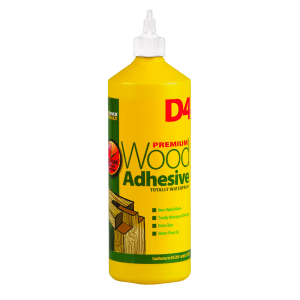
Showing the single result
When you’re working with timber, whether it’s joinery, repair work, or fitting fixtures , you need a wood glue that won’t let you down. Our range of wood glues is specifically selected for tradesmen: strong, reliable, and ready for job-site use.
Wood glue is designed to bond timber surfaces quickly and effectively. From furniture manufacturing to skirting installation, timber framing to maintenance fixes, an adhesive that grips right and holds tight makes all the difference.
We stock professional-grade wood adhesives: PVA (polyvinyl acetate) glues for general joinery, polyurethane glues for tougher applications and even damp environments, and specialist variants for exterior use or high-performance jobs. Each product is chosen with tradesmen in mind, easy to apply, strong grip, minimal mess, and capable of standing up to real-world site conditions.
Whether you’re bonding floorboards, repairing a refurbished door, glueing panels, or installing cabinetry, you’ll find the right wood glue here. Our selection includes fast-set formulas when you need quick turnaround, weather-resistant types for external use, and standard trade options for everyday work.
Plus, by using the right glue for the job, you avoid excess mechanical fixings, reduce drilling and screw-holes, and achieve a cleaner finish that’s built to last. Stock your van or workshop with the right wood glue, and make sure your joins are solid, ready for whatever the next job throws at you.
FAQs
-
What’s the difference between the types of wood glue?
There are several types: PVA glues are common for interior joinery; polyurethane types can handle tougher conditions (including some dampness); epoxies or specialist glues are used for structural or outdoor jobs.
-
Can I use wood glue outdoors?
Yes, look for a glue rated for exterior or weather-resistant use. Not all wood glues are suitable outside, so always check the specification.
-
Do I still need screws or nails if I use wood glue?
In many cases, the glue can provide the primary bond, but for structural or load-bearing work, it may still be wise to combine fixes. The glue adds strength and cleanliness to the job.
-
How should I prepare the surfaces before glueing?
Ensure the timber surfaces are clean, dry, free of dust or oil, and fit snugly together. Good contact improves bond performance. Some glues allow gap-filling; others require tight joints.
-
How long before I can handle or finish the glued joint?
It depends on the product and conditions (temperature, timber type, adhesive thickness). Some fast-set glues allow handling in minutes, while full cure might take hours. Always refer to the manufacturer’s instructions.