
Drywall Screws
Showing all 18 resultsSorted by popularity
-

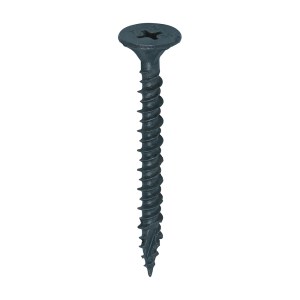 Price range: £6.40 through £7.90 Inc Vat. Select options This product has multiple variants. The options may be chosen on the product page
 -

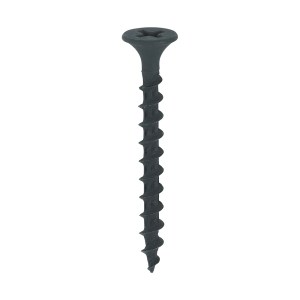 Price range: £1.64 through £6.14 Inc Vat. Select options This product has multiple variants. The options may be chosen on the product page
 -
 Price range: £1.86 through £28.60 Inc Vat. Select options This product has multiple variants. The options may be chosen on the product page
 -
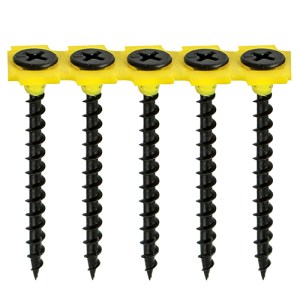 Price range: £11.41 through £15.62 Inc Vat. Select options This product has multiple variants. The options may be chosen on the product page
 -
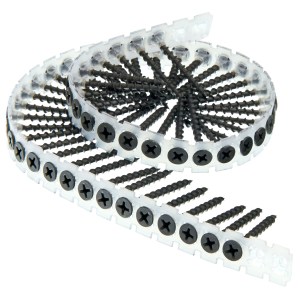
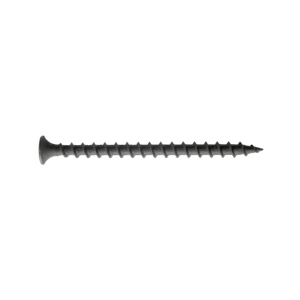 Price range: £11.46 through £30.90 Inc Vat. Select options This product has multiple variants. The options may be chosen on the product page
 -
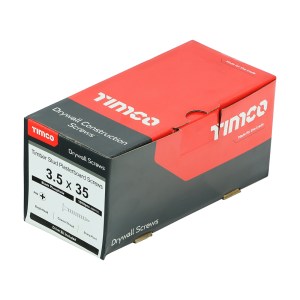
 Price range: £7.76 through £28.51 Inc Vat. Select options This product has multiple variants. The options may be chosen on the product page
 -
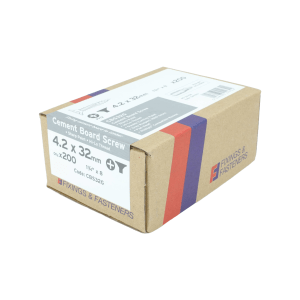
 Price range: £3.74 through £4.96 Inc Vat. Select options This product has multiple variants. The options may be chosen on the product page
 -
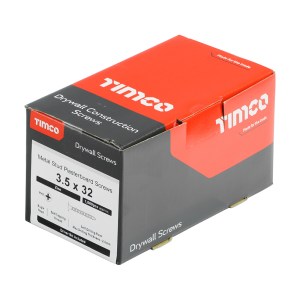
 Price range: £11.00 through £41.28 Inc Vat. Select options This product has multiple variants. The options may be chosen on the product page
 -
 Price range: £11.87 through £17.03 Inc Vat. Select options This product has multiple variants. The options may be chosen on the product page
 -
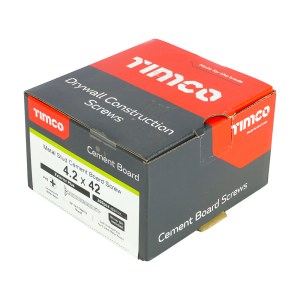
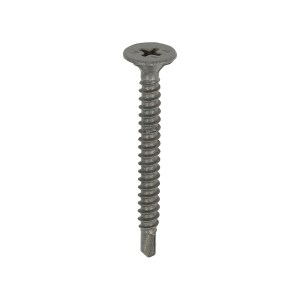 Price range: £6.58 through £7.90 Inc Vat. Select options This product has multiple variants. The options may be chosen on the product page
 -
Price range: £6.19 through £14.23 Inc Vat. Select options This product has multiple variants. The options may be chosen on the product page
-

 Price range: £7.37 through £28.60 Inc Vat. Select options This product has multiple variants. The options may be chosen on the product page
 -

 Price range: £10.94 through £19.19 Inc Vat. Select options This product has multiple variants. The options may be chosen on the product page
 -
 Price range: £15.62 through £20.27 Inc Vat. Select options This product has multiple variants. The options may be chosen on the product page
 -
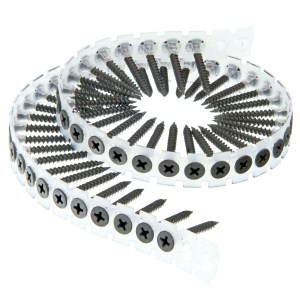
 Price range: £12.70 through £15.96 Inc Vat. Select options This product has multiple variants. The options may be chosen on the product page
 -
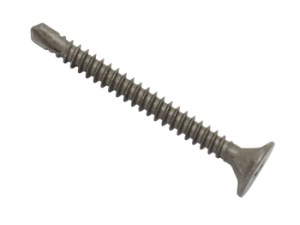 Price range: £3.49 through £5.15 Inc Vat. Select options This product has multiple variants. The options may be chosen on the product page
 -
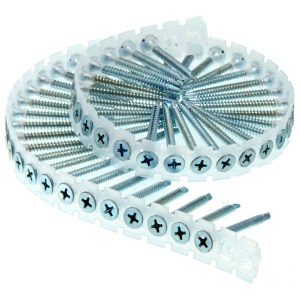
 Price range: £21.24 through £27.94 Inc Vat. Select options This product has multiple variants. The options may be chosen on the product page

Showing all 18 resultsSorted by popularity
At RC Screws, we understand that using the right drywall screws is essential for getting the job done right, whether it’s a personal project or a large-scale construction job. That’s why we offer a wide selection of drywall screws designed for securely fastening plasterboard to both timber and metal studs. With both coarse and fine thread options available, you’ll always have the perfect fixings and fasteners for the task at hand.
Efficiency matters, which is why we offer collated drywall screws that are compatible with automatic screw guns, speeding up your installation process. For tougher materials like thicker metal, our self-drilling screws make your job easier and faster; plus, with various sizes and quantities to choose from, you’ll always find the right fit for your project!
Frequently Asked Questions:
1. What is the recommended length for drywall screws?
You’ll want to choose screws that are at least twice as long as the thickness of the material you’re attaching. For example, for 12mm thick drywall, use screws that are 25mm to 40mm long. This provides a strong, secure hold when fastening to wooden studs.
2. How do I choose between coarse and fine thread drywall screws?
Coarse-thread screws are ideal for wood studs, as their threads grip the wood securely. Fine-thread screws are better suited for metal studs, providing a tighter fit and reducing the risk of damaging thinner materials.
3. What are the benefits of using collated drywall screws?
Collated drywall screws are designed for use with automatic screw guns, significantly speeding up the installation process. They’re handy for large-scale projects where speed and efficiency are essential.
4. Are there drywall screws suitable for dense boards?
Yes, at RC Screws, we stock dense board drywall screws designed specifically for attaching dense boards to timber studs like the Timco Twin-Cut Timber Stud Cement Board Screws. These screws have a super sharp point and a high-low thread design, providing excellent penetration and holding power in denser materials.
5. How can I ensure a smooth finish when using drywall screws?
For a smooth finish and to minimise the risk of damaging the drywall surface, it’s best to use screws with a bugle head design. These screws distribute pressure evenly, which helps to reduce the chances of tearing the paper surface of the drywall.