
Self Tapping Screws
Showing all 3 resultsSorted by popularity
-
 Price range: £2.52 through £5.11 Inc Vat. Select options This product has multiple variants. The options may be chosen on the product page
 -
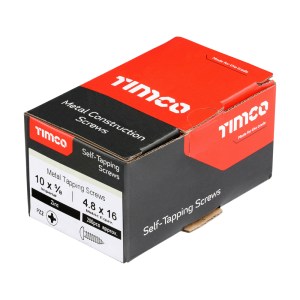
 Price range: £1.58 through £9.60 Inc Vat. Select options This product has multiple variants. The options may be chosen on the product page
 -

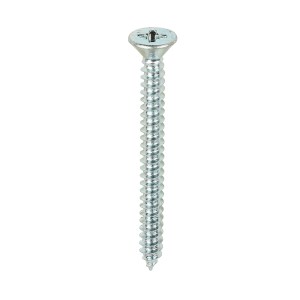 Price range: £1.96 through £7.67 Inc Vat. Select options This product has multiple variants. The options may be chosen on the product page
Showing all 3 resultsSorted by popularity
When you’re on site and working across steel, aluminium, wood or composite panels, you want fixings that make the job quicker and cleaner. Our range of self-tapping screws is built with the trade in mind: engineered for speed, strong holding power and reliable performance even when access or back-side clearance is limited.
Self-tapping screws are designed to cut or form their own mating threads as they drive into the material, meaning fewer parts to carry, less prepping and more time getting on with the job. Whether you’re fixing sheet steel, mounting brackets, or attaching panels, the right self-tapper helps you deliver a professional job.
We stock trade-ready sizes, finishes and head/drives suited to your toolbox: zinc-plated or stainless for corrosion resistance, coarse or fine threads for different substrates, and a variety of head types (countersunk, pan, hex) for flush or raised finishes. Their versatility spans metal-to-metal fixings, metal into timber, securing plastics and more. The result? Faster installs, fewer screws stripped or mis-driven, and joints you can trust.
From bulk packs for everyday use to specialist stocks for tougher conditions, these self-tapping screws are tailored for tradesmen who value durability, speed and job-site practicality. Keep your van or workshop stocked and get fixings that keep you moving, not stopping.
FAQs
-
What exactly is a self-tapping screw?
A self-tapping screw is a type of fastener that can form or cut its own thread in the material as it’s driven in, reducing the need for separate nuts or pre-threading processes.
-
Which materials can I use them in: metal, wood, plastic?
They’re versatile: you’ll find versions made for metal (sheet, steel), wood, plastics and composites. Choose the variant matched to the substrate and thickness.
-
Do I still need to pre-drill holes when using self-tapping screws?
In many cases, you will not need extensive pre-drilling, but for harder materials or thick sheets, a pilot hole might still be recommended to help the screw engage cleanly.
-
What types of finishes and drives should I pick for trade use?
Pick corrosion-resistant finishes (zinc, stainless) if exposed to weather or moisture. Match the drive/head type to your tool (Pozi, TX, hex) and consider flush vs raised head depending on the finish requirement.
-
What are common mistakes when using self-tapping screws?
Common errors include using the wrong screw for the substrate (leading to weak hold or stripping), over-tightening (which can damage material or screw), or driving at the wrong angle, all of which can compromise the joint.