
Jigsaw Blades For Wood
Showing all 11 resultsSorted by popularity
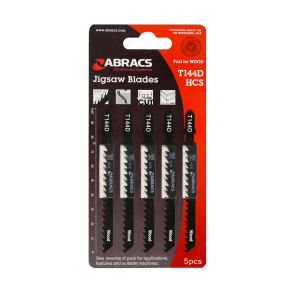
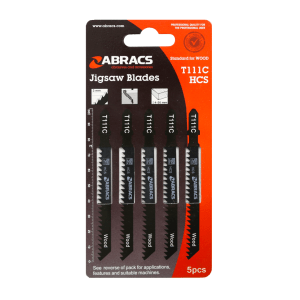


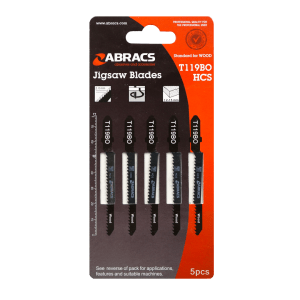
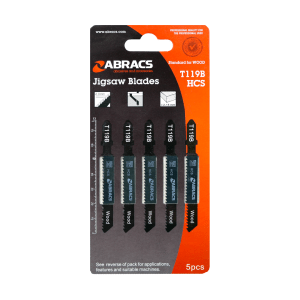



Showing all 11 resultsSorted by popularity
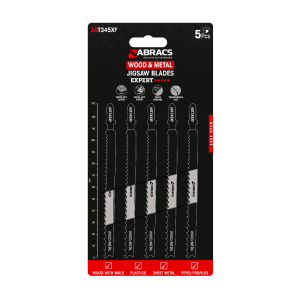
At RC Screws, we offer a carefully chosen range of Abracs jigsaw blades made to work well on different materials, mainly wood and wood/metal. Whether you’re doing precise, detailed cuts or tougher, more heavy-duty jobs, our blades are built to give you clean, accurate, and efficient results with most standard jigsaws.
Our selection includes blades in various lengths and tooth patterns (TPI), so you can easily pick the right blade for your project. From fast-cutting blades for rough wood to finer blades for smoother finishes, you’ll find the perfect balance of speed and control. Each product page shows important info like blade length, teeth per inch (TPI), and what materials the blade works best with, helping you choose the right blade for your saw and job.
Ordering is easy, with same-day dispatch for all in-stock blades ordered before 3 PM, Monday to Friday. Plus, you get free delivery across mainland UK on orders over £100, so you can get your blades quickly without extra cost!
FAQs
What types of jigsaw blades are available at RC Screws?
At RC Screws, our range includes blades made specifically for cutting wood, metal, and combinations of wood and metal. You’ll find blades with fine teeth that deliver smooth, precise cuts, as well as blades with larger, more aggressive teeth designed for faster, rougher cutting so you can choose the perfect blade to get the best results for your project.
What does TPI mean, and why is it important?
TPI stands for teeth per inch and refers to how many teeth a blade has in one inch of length. Blades with a higher TPI have more teeth and create smoother, more precise cuts but tend to cut slower. Blades with a lower TPI have fewer teeth, so they cut faster but leave a rougher edge.
How do I know which jigsaw blade to use for my project?
The best blade to use depends on the material you’re cutting and the finish you want to achieve. For example, blades with fewer teeth per inch (TPI) are ideal for quick, rough cuts in softwoods, while blades with a higher TPI are better suited for hard materials or fine, smooth finishes. Always check the blade’s specifications for compatibility with your saw and the material to make sure you’re getting the most efficient and clean cut possible.
Can I use the same blade for wood and metal?
Some jigsaw blades are designed to be versatile enough for both wood and metal, so depending on the kind of blade you have – yes, you can. However, you need to be intentional about the blade you buy if that’s the case. These blades perform best when used on the materials they’re specifically designed for, so using the right blade for each material will give you cleaner cuts, better blade life, and safer operation.
How do I change a jigsaw blade?
Most modern jigsaws feature a quick-release or tool-free blade change system that allows you to swap blades easily and safely without needing extra tools. Older jigsaw models might require an Allen key or screwdriver to loosen the clamp and remove the blade. Always make sure the blade is correctly and securely fitted before starting your work to avoid accidents and create clean cuts.
How long do jigsaw blades typically last?
The lifespan of a jigsaw blade depends on a few factors, including the type of material you’re cutting, the frequency of use, and the quality of the blade. Cutting harder materials or using a blade on incompatible materials can wear the blade out more quickly. It’s a good idea to regularly check your blades for signs of wear like dullness, broken teeth, or bending, and replace them as soon as you notice any drop in cutting performance.