
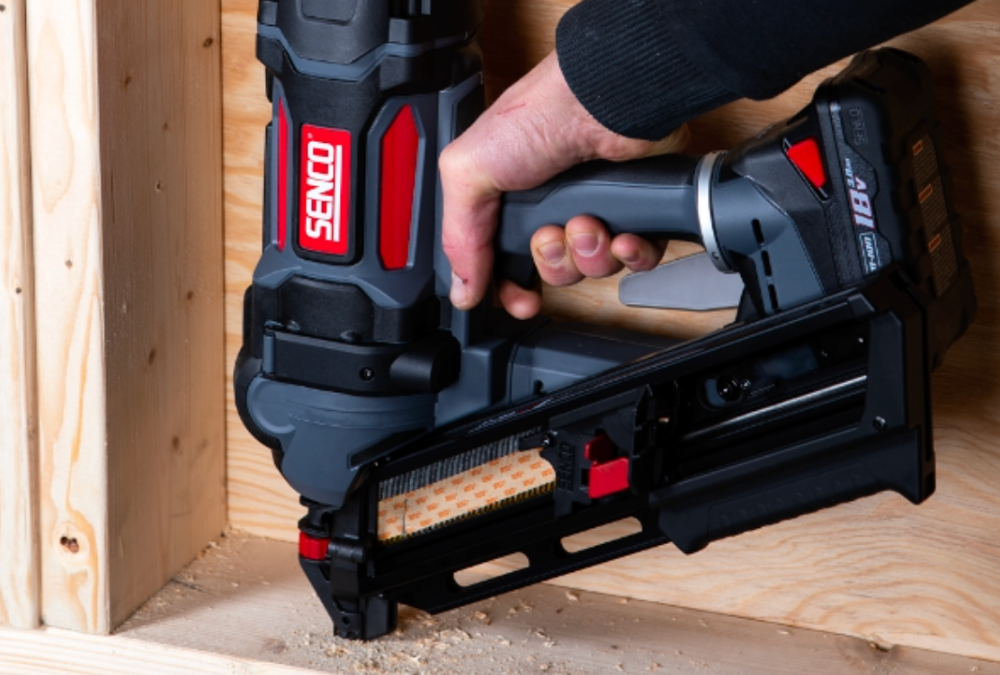
If you’re working on a construction or carpentry project, understanding the difference between first fix and second fix nails is essential to getting a clean, solid result. These two terms crop up a lot in both residential and commercial jobs, and while they might sound similar, they refer to very different stages of the build, each with its own requirements for tools, materials, and finish.
Not sure which type you need for your next task? No problem. At RC Screws, we’re here to make it simple. Let’s break it down.
First fix: heavy-duty structure comes first.
First fix nails are used during the early structural stage of a project. This is when the basic framework of the building is put together – before any plastering, flooring, or visible finishes are applied.
Typical jobs in this phase include:
- Timber framing
- Joist installation
- Roof battening
- Stud walls and floorboards
- External fencing or decking
At this point, appearance is secondary – the main focus is on creating a strong, stable structure that can safely support the rest of the build. First fix nails tend to be larger, thicker, and longer, as they’re designed to secure heavier materials like timber and OSB.
These nails are usually driven using framing nailers, like the SENCO SGT90I, which can handle 50mm to 90mm nails with ease. This kind of kit offers the power and depth you need to get through dense wood quickly, making your work more efficient on-site.
Second fix: the finishing touches
Once the main structure is in place and walls are boarded or plastered, it’s time for the second fix. This is the finishing phase of the build – the part that’s visible and needs to look clean and tidy.
Second fix tasks include:
- Skirting boards and architraves
- Door frames and window casings
- Staircase trims
- Kitchen fittings or wall panelling
- Light mouldings and final detailing
Second fix nails are smaller, finer-gauge, and neater, designed to avoid splitting or damaging delicate materials. They’re used where a clean finish is crucial, so the nail heads are usually narrow and sit just below the surface, allowing for easy filling and sanding.
Tools like the SENCO GT65I-RX or Fusion F16 are ideal for this kind of work, offering consistent firing with controlled depth, essential for visible areas where precision really counts.
Why size and gauge matters
When it comes to nailing, one size definitely doesn’t fit all. The length and thickness (or gauge) of your nails can have a big impact on the strength, appearance, and success of your work. So you’ll want to understand the difference between first fix and second fix nails to choose the right type for the task at hand.
In general:
- First fix nails: 50mm – 90mm length, 2.9mm – 3.1mm diameter (around 10–12 gauge)
- Second fix nails: 15 to 18 gauge, usually 32mm – 64mm length
The bigger and thicker the nail, the more strength and holding power it offers. But the thinner the nail, the cleaner and subtler the finish – so it’s about matching the right size and gauge to the job’s demands.
Using the wrong type not only risks damaging your materials but could also weaken the overall result or lead to unnecessary rework.
Don’t forget the tool compatibility
Each nail gun is designed to accept a specific size and gauge of nail; using mismatched fasteners can lead to jamming, inconsistent driving, or even damage to your tool. That’s why it’s always a good idea to double-check compatibility before you load up.
Many nail guns will also clearly state whether they’re built for first fix or second fix use, and some brands, like SENCO, offer dedicated models for each, to make your choice easier.
Need help choosing the right fixings?
We stock a wide range of first fix and second fix nails, along with compatible gas, battery, and pneumatic nail guns – all available at highly competitive prices. Whether you’re tackling structural framing or detailed joinery, we’ll help you find exactly what you need to get the job done right.
And of course, if you want expert advice on the best nail type, size, or tool for your specific task, just give us a call on 01254 917744. Our friendly team at RC Screws is always happy to help!