
Wall & Cavity Fixings
Showing all 26 resultsSorted by popularity
-

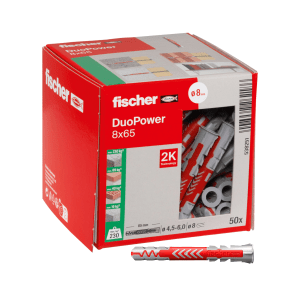 Price range: £3.84 through £8.04 Inc Vat. Select options This product has multiple variants. The options may be chosen on the product page
 -
 Price range: £1.40 through £39.70 Inc Vat. Select options This product has multiple variants. The options may be chosen on the product page
 -
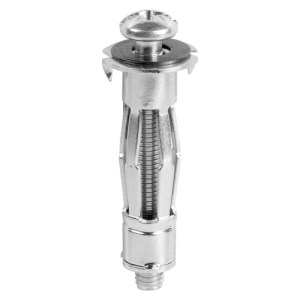
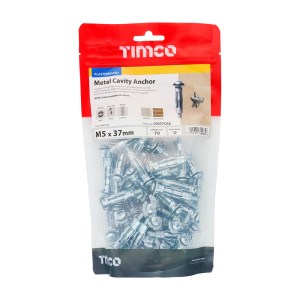
-
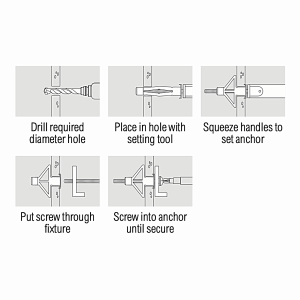
-
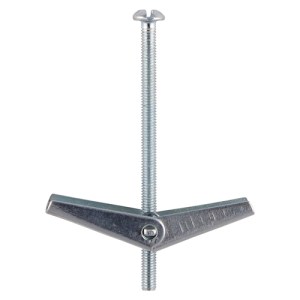
 £1.40 Inc Vat. Select options This product has multiple variants. The options may be chosen on the product page
 -

-

-


-


-

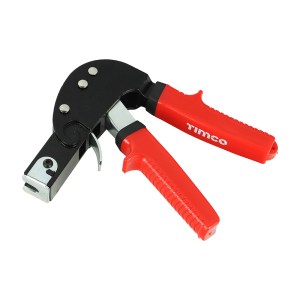
-
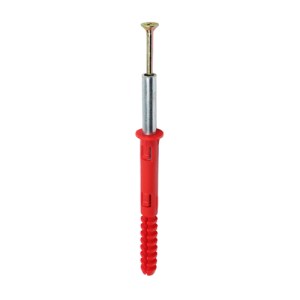

-
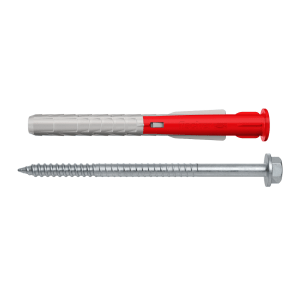
-

-

-


-

-

-

-

-
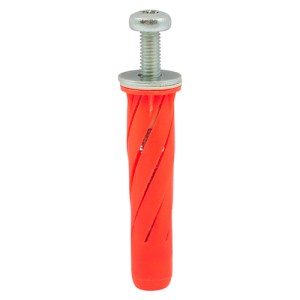
 Price range: £3.59 through £3.96 Inc Vat. Select options This product has multiple variants. The options may be chosen on the product page
 -
-
-

-
-

 Price range: £3.59 through £3.96 Inc Vat. Select options This product has multiple variants. The options may be chosen on the product page
Showing all 26 resultsSorted by popularity
Cavity Wall Fixings
When you’re fixing into plasterboard or hollow walls, using the right fixing is essential for strength and safety. Our range of cavity wall fixings is designed for the trade, providing reliable support in situations where solid masonry fixings won’t work.
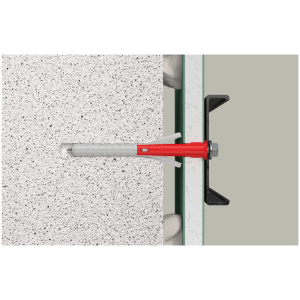
Cavity wall fixings are engineered to spread the load behind the wall surface, creating a secure anchor in plasterboard, drywall and other hollow substrates. They’re commonly used for mounting shelves, radiators, TV brackets, cabinets, mirrors and fixtures where a strong hold is required without access to a solid backing.
Used by builders, installers and maintenance professionals, cavity wall fixings come in a variety of designs to suit different loads and wall types. Choosing the correct fixing ensures weight is properly distributed, helping prevent pull-out, wall damage or failure over time.
Our range includes fixings suitable for light, medium and heavy-duty applications, allowing you to match the fixing to the job at hand. Whether you’re working on a new installation or upgrading existing fittings, using the correct cavity wall fixing gives you confidence in the finished result.
Keeping a selection of cavity wall fixings in your van ensures you’re prepared for a wide range of interior fixing tasks. Stock up and tackle hollow wall installations with confidence.
FAQs
1. What are cavity wall fixings used for?
They’re used to fix items securely to plasterboard or hollow walls where there’s no solid backing.
2. How do cavity wall fixings work?
They expand, toggle or grip behind the wall surface to spread the load and create a secure anchor.
3. Are cavity wall fixings suitable for heavy loads?
Some are designed for heavy-duty applications, but it’s important to choose the correct fixing based on the load and wall type.
4. Do I need special tools to install cavity wall fixings?
Some fixings can be installed with standard tools, while others may require special tools for correct installation.
5. Can cavity wall fixings be removed?
Some types can be removed or replaced, while others are designed to remain in place. Always check the fixing type before installation.